I think ultrasound is just beautifully designed for hand surgery.

—Diane Riley, MD

Back To Peer Perspectives
Building Administrative Support for Ultrasound

Diane Riley, MD

Orthopedic Hand Surgeon

Background

Dr. Riley completed her UGCTR training on February 2022, and her UGTFR training on March 2023. Since then, she has performed hundreds of UGCTR and UGTFR procedures. She has served as Guest Faculty for the MSK Ultrasound Forum in 2023 and 2024 and joined the Executive Committee in 2026. Dr. Riley also regularly teaches at the MSK Ultrasound Mini Fellowship programs, including New York City in 2024, Boston in 2025, San Diego in 2025, and New York City in 2026. She is known for her clear teaching style and strong clinical insight, which have made her a trusted educator in ultrasound-guided procedures.

Dr. Riley has spent many years treating hand and wrist conditions with traditional surgical methods. She first learned about ultrasound-guided carpal tunnel release through her work at Alice Peck Day Memorial Hospital and was immediately interested in its potential. Once she saw the procedure performed with real-time ultrasound guidance, her perspective changed. “An ultrasound is a painless, simple, and accurate way to diagnose and treat carpal tunnel syndrome,” she said. She became the first surgeon in New England to offer this technique and quickly saw patients returning to normal activities within only a few days. What began as curiosity became a major shift in her practice, leading to her recognition as a national Center of Excellence Physician.

The Institute of Advanced Ultrasound Guided Procedures has named her a National Center of Excellence Physician for ultrasound-guided carpal tunnel release with UltraGuideCTR™. Center of Excellence Physicians are recognized for their demonstrated expertise in ultrasound-guided carpal tunnel release by achieving outstanding patient outcomes.

Education

Dr. Riley earned her medical degree from the Geisel School of Medicine at Dartmouth. She completed her residency at Dartmouth Hitchcock Medical Center and went on to complete her fellowship training at Tufts New England Medical Center.

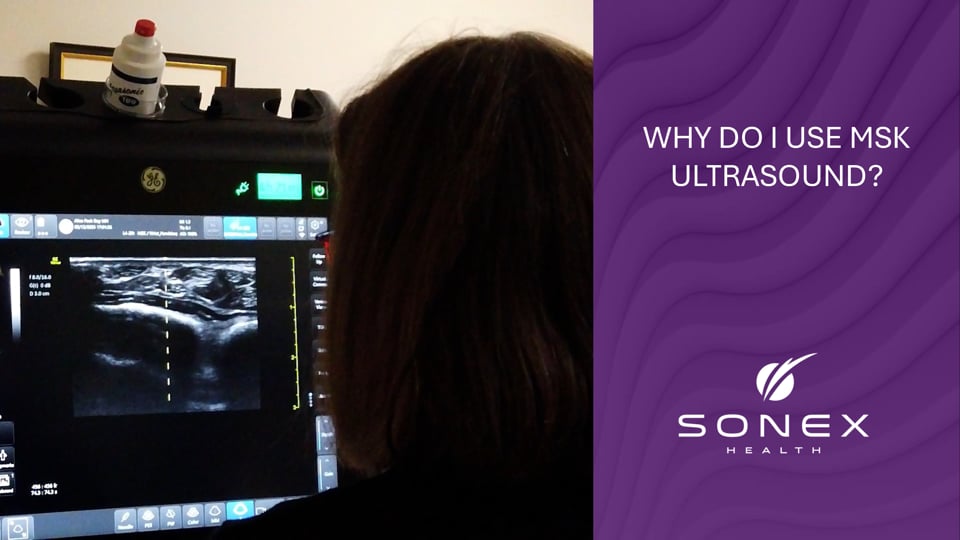
  • Riley – Why Do I Use MSK Ultrasound?
    01:14
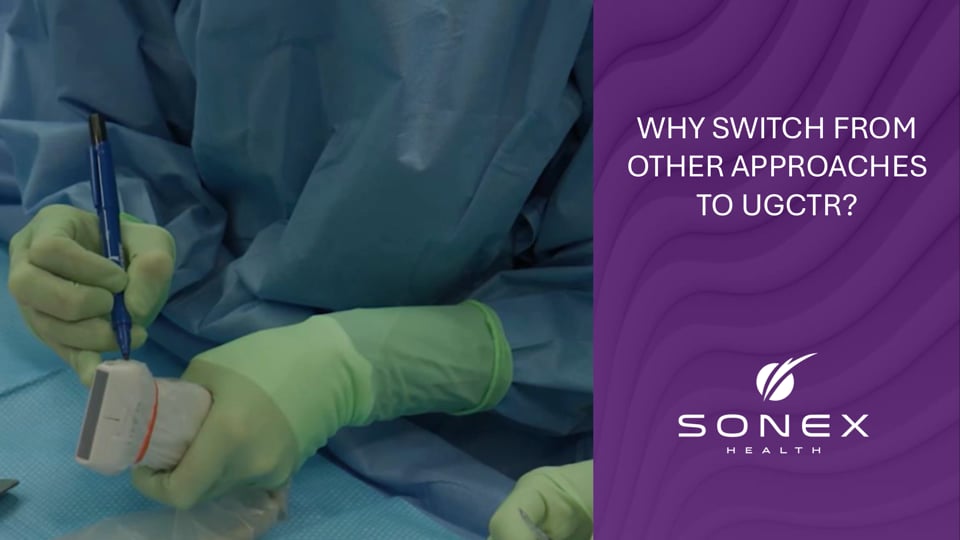
  • Riley – Why Switch From Other Approaches to UGCTR?
    01:24
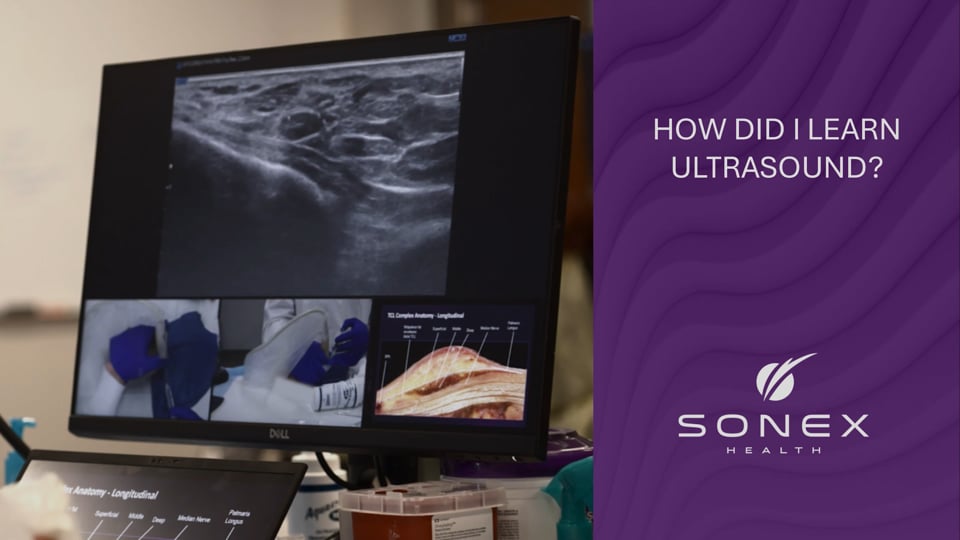
  • Riley – How Did I Learn Ultrasound?
    01:33
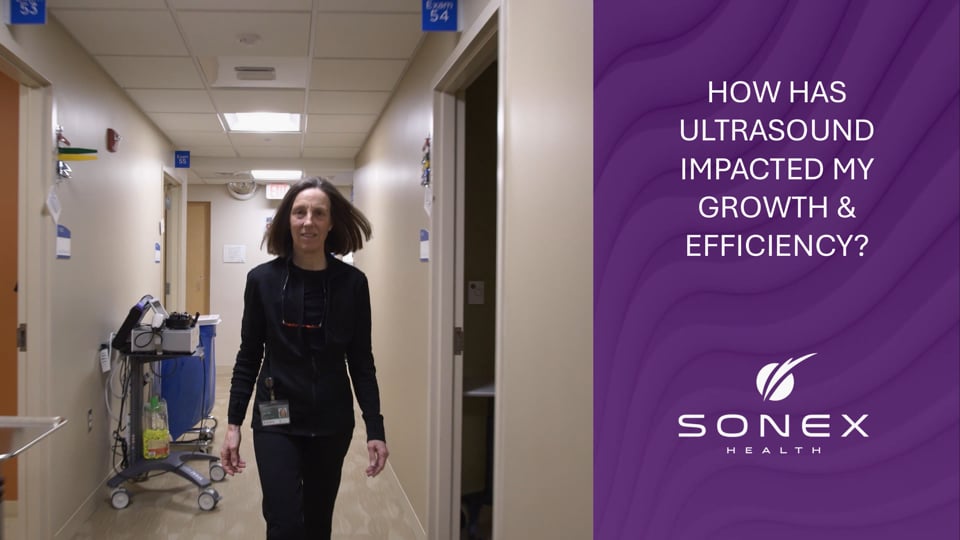
  • Riley – How Has Ultrasound Impacted My Growth and Efficiency?
    01:47
  • Riley –  How Has Ultrasound Enhanced the Patient Experience?
    01:30
  • Riley – What Makes This Approach Safer?
    01:15
  • Riley – Building Administrative Support for UGCTR
    02:14
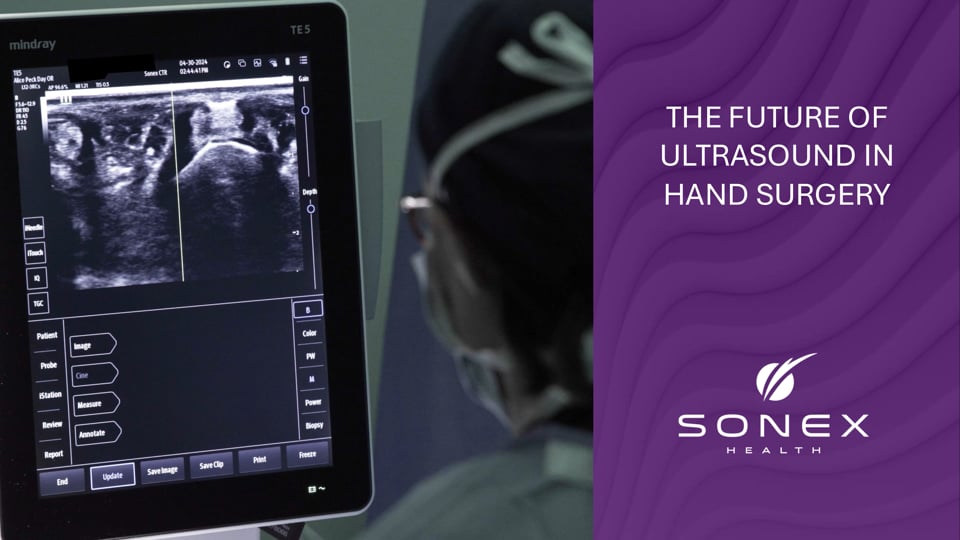
  • Riley – The Future of Ultrasound in Hand Surgery
    1:39
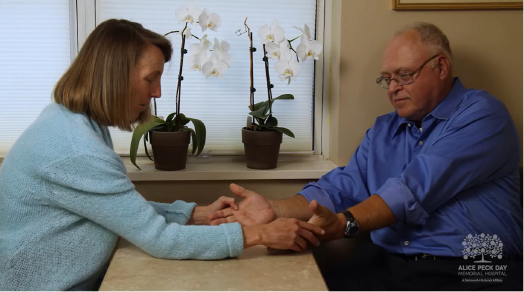
Dr. Riley meeting with patient

“CTR surgery used to commit the patient to weeks of care and recovery,” she says. For example, she recalls one patient, a young forester with severe carpal tunnel syndrome, who put off surgery for two years because he was concerned about the recovery time.

“There was just not a good time for him to wait six weeks before he could use a chainsaw again. The same goes for other professions that rely on their hands, whether it’s a musician, hairstylist, or nurse, their livelihoods depend on them working.”

She says once her patients see this shortened recovery time, they are choosing the ultrasound-guided approach more often, which is exactly what the forester did.

Coming soon!

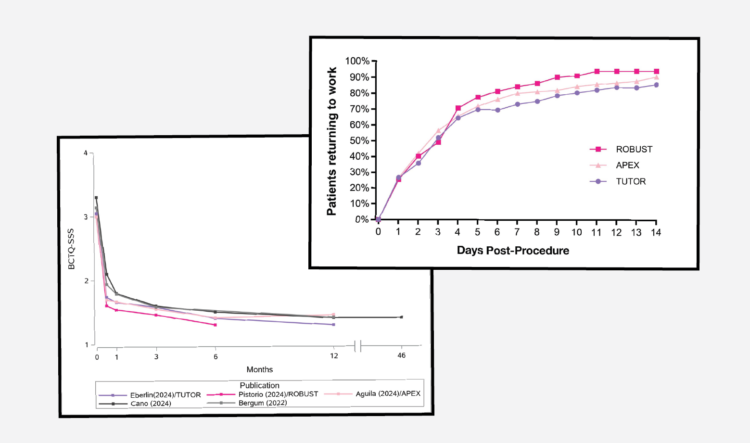
Clinical research is fundamental to Sonex Health’s mission to deliver physicians innovative therapies that reduce invasiveness, improve safety, and reduce the cost of care. Learn more about Sonex Health’s investment in clinical research here.

Integrating Ultrasound Into Your Practice - Vumedi

Integrating Ultrasound Into Your Practice

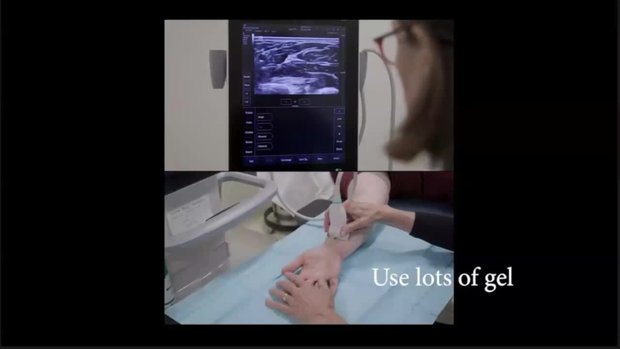
Listen to Dr. Diane Riley’s talk on VuMedi as she shares how to successfully integrate ultrasound into everyday practice. She explains how adopting ultrasound streamlined both her diagnostic and procedural workflows while reducing burden on clinic and OR staff. Dr. Riley also highlights practical pearls and efficiencies that can help enhance the overall patient experience and expand access to care.

CONNECT WITH A PEER.

Request a call with a current physician user